GMU Cyber Security

George Mason University has numerous departments, research centers, and labs focused on cybersecurity in addition to its AI2 Nexus initiative and partnerships with state and federal agencies such as the Commonwealth Cyber Initiative (CCI) and the All-In-Gov Council.

Key departments in the College of Engineering and Computing include:

  • Cybersecurity Engineering Department (CYSE)
  • Information Science & Technology Department (IST)
  • Data Analytics Engineering Department (DAEN)
  • Computer Science Department (CS)
  • Electrical & Computer Engineering (ECE)

Key Research Centers, Labs, & Institutes include:

  • Center for Secure Information Systems (CSIS)
  • Center of Excellence in Command, Control, Communications, Computing, Cyber and Intelligence (C5I)
  •  Institute of Digital InnovAtion (IDIA)
  • NSI Cyber and Technology Center (CTC)
  • Sun Security Laboratory (SunLab)
  • Center for Assurance Research and Engineering (CARE)

  • Center for Cybersecurity Analytics and Automation (CCAA)
  • Center for Trusted, Accelerated, and Secure Computing and Communication (C-TASC)
  • Wireless Cyber Center (WirelessCyber@Mason)
  • Center for Assurance Research and Engineering (CARE)
Paulo Costa

Paulo Costa has applied his significant experience as a fighter pilot to a career specializing in the field of electronic warfare and flight safety, which in conjunction with his research on probabilistic reasoning has led to applications in cyber and transportation security, heterogeneous data fusion, and decision support systems in healthcare, defense, and other areas. These topics are at the core of his classroom activities at both graduate and undergraduate levels, as well as his research path. Costa leads the research of graduate-level students in understanding security objectives and verification protocols, bringing in the science of probabilistic reasoning and challenging PhD-level candidates to consider theory and methods for building computationally efficient software agents that reason, act, and learn in environments characterized by noisy and chaotic traffic.

Costa is a key researcher in the field of probabilistic ontologies and has developed innovative applications and extensions that aid in the fight against cyber-warfare. In addition to his Mason assignments as Chair of the Cyber Security Engineering Department and Director of the C5I Center, Dr. Costa is Vice President for Securing Automation and Supply Chain Security (cymanii.org). He is a former President and current elected member of the Board of Directors of the International Society of Information Fusion (isif.org), as well as an IEEE Senior Member (SM13).

Degrees

  • PhD, Information Technology, George Mason University
  • MS, Systems Engineering, George Mason University
  • BS, Engineering, Brazilian Air Force Academy

Source: CEC Page

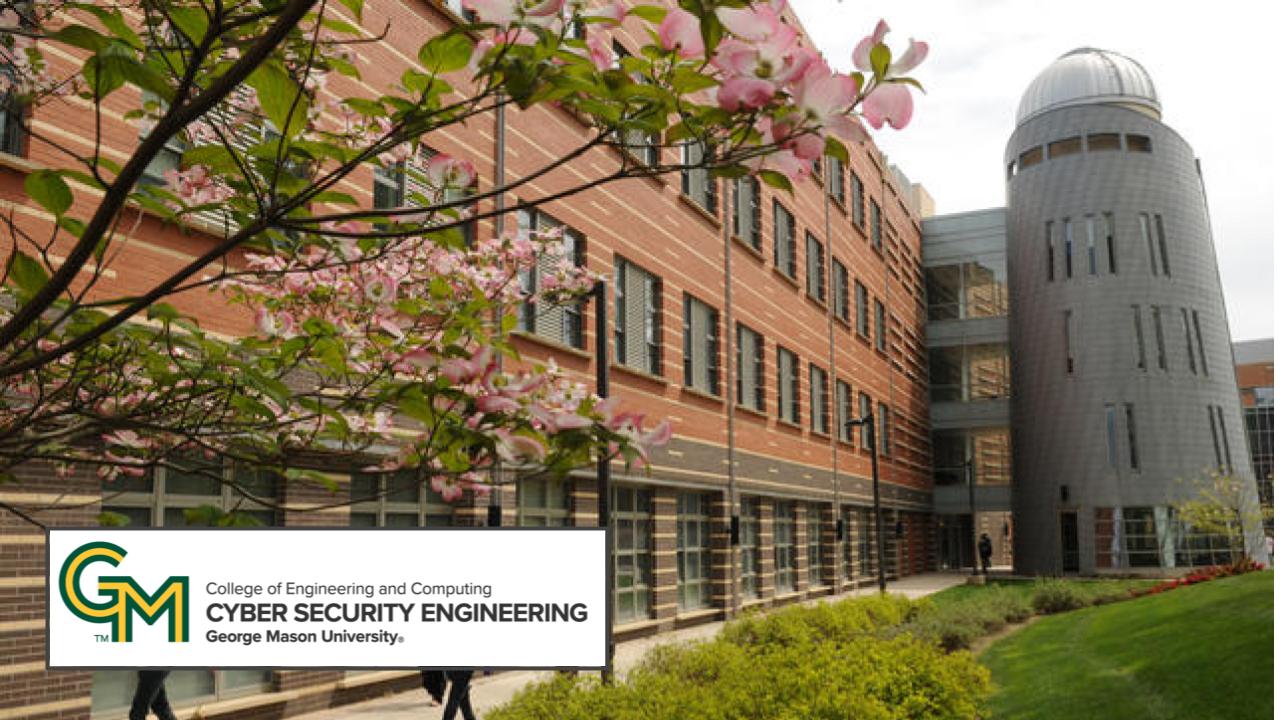
CYSE- Cyber Security Engineering Department

The Department of Cyber Security Engineering (CYSE) was established to meet the urgent and growing demand for professionals capable of protecting complex systems at the intersection of the physical and digital worlds.

Building on George Mason’s leadership in engineering and information security, CYSE launched the first bachelor’s program of its kind in the United States, creating a model that integrates cybersecurity into system design from the very beginning. Since then, the department has expanded to include master’s and accelerated degree programs, a thriving capstone experience, and a dynamic research enterprise recognized nationally and internationally.

Source: Website

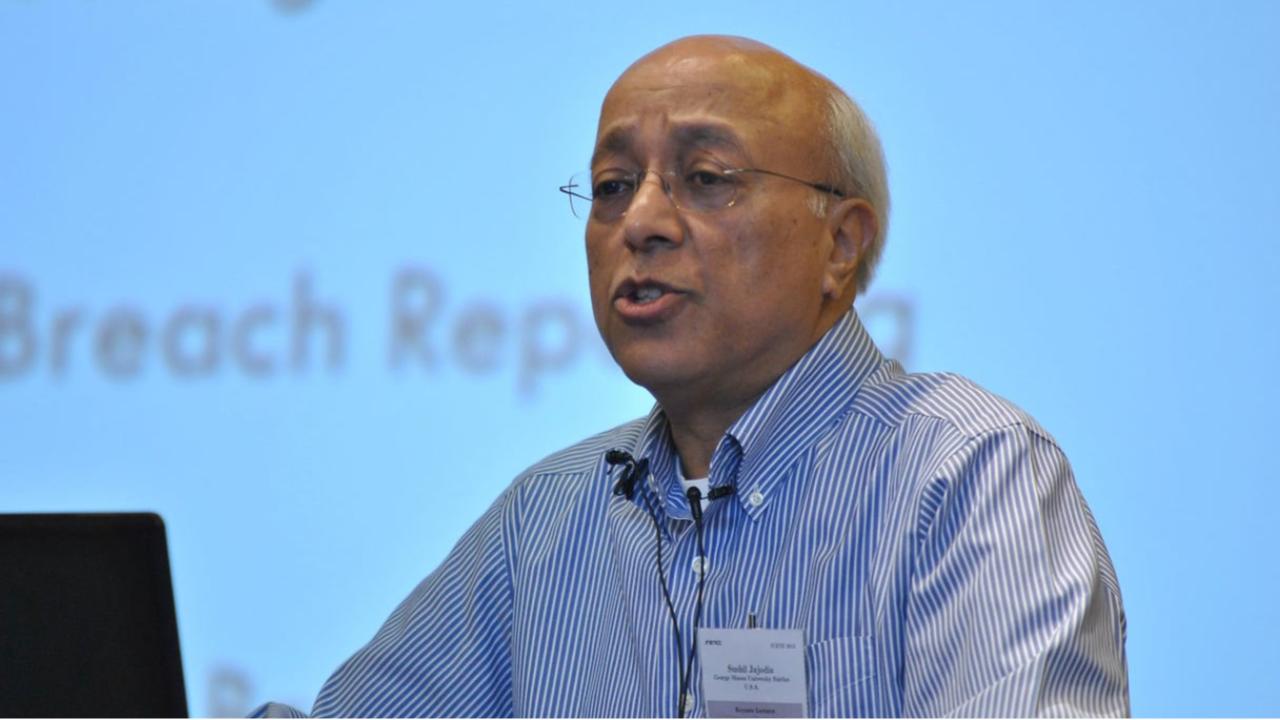
Sushil Jajodia

Sushil Jajodia is a University Professor, BDM International Professor, and the founding director of the Center for Secure Information Systems in the College of Engineering and Computing. He is also the founding site director of the NSF IUCRC Center for Configuration Analytics and Automation at Mason. His research interests include security, privacy, databases, and distributed systems. His current research sponsors are the U.S. Army Research Office (ARO), the U.S. Office of Naval Research (ONR), The U.S. National Security Administration (NSA), The National Science Foundation (NSF), the National Institute of Standards and Technology (NIST), Northrop Grumman, and The MITRE Corporation.

He was recognized for the most accepted papers at the 30th anniversary of the IEEE Symposium on Security and Privacy. His h-index is 86 and Erdös number is 2; both indicate a broad citation in scholarly publishing. He is the founding consulting editor of the Springer International Series on Advances in Information Security and SpringerBriefs in Computer Science. He has served in different capacities for various journals and conferences. Sushil Jajodia has supervised 27 doctoral dissertations.

Source: GMU webpage

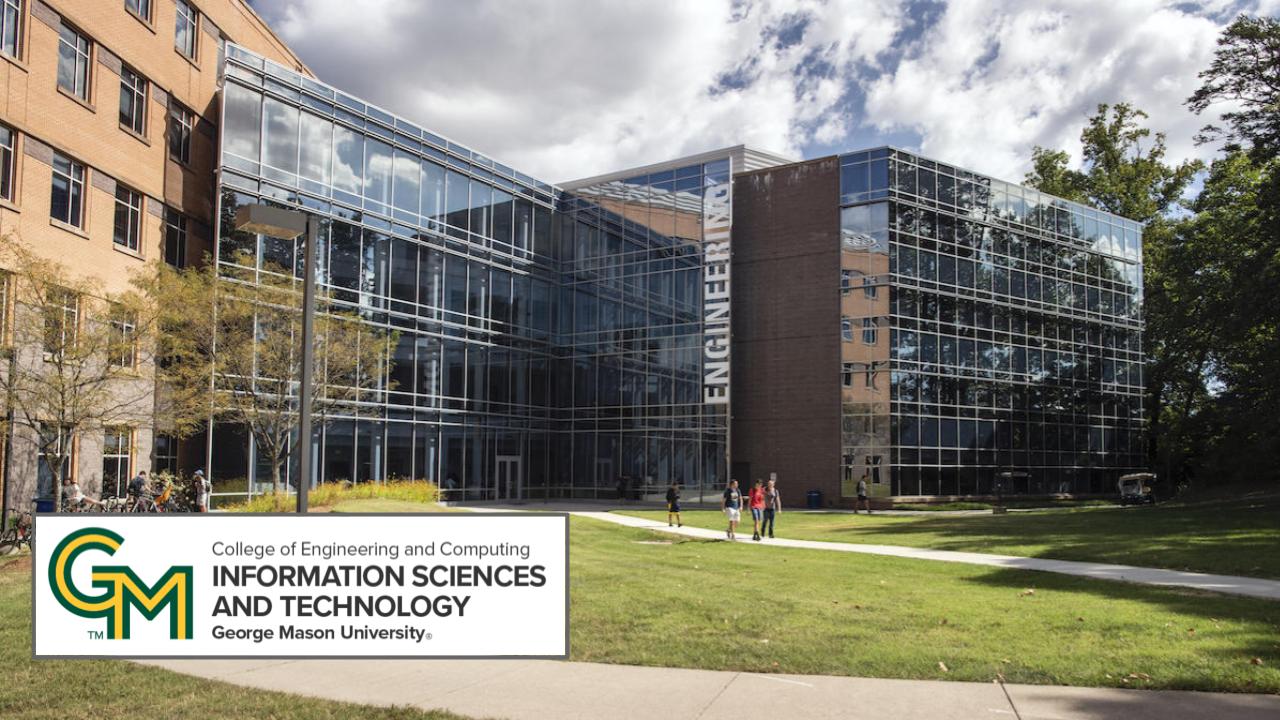
IST – Information Sciences and Technology

The Information Sciences and Technology (IST) department at George Mason is a vibrant community of coders, designers, cybersecurity specialists, AI/ML experts, and HCI researchers. Together we tackle real-world challenges-from smart technologies and transportation systems to cybersecurity and public safety solutions.

Our Vision
To lead excellence and innovation in research, teaching, and service in addressing societal problems using information sciences and technology.

IST promotes and maintains a departmental research culture by providing the facilities, means, and incentives for outstanding research. IST provides excellent education with leading-edge courses, by leveraging innovative instructional methods and emphasizing the enhanced student experience. IST provides continuous advising and mentorship to the students, faculty, and staff as well as ongoing service to the college, university, alumni, and the community.

onAir Post

Source: Website

Shawn N. Purvis

Shawn Purvis serves as President and CEO of Sabel Systems, part of the Sagewind Capital Portfolio. As CEO of Sabel Systems, Ms. Purvis is responsible for all aspects of Sabel’s growth, M&A, product development and people strategy. Sabel is a leading provider of digital engineering, acquisition, manufacturing, supply chain and logistics solutions.  Shawn has recently been named as a member of the George Mason University Board of Visitors through June 30, 2029.

Over the course of Shawn’s 30 years of P&L responsibilities, she has led billion dollar organizations in the areas of defense, intelligence and cyber security technical solutions in support of the warfighter and intelligence customers both domestically and globally. Ms. Purvis has in-depth skills in driving strategy, policy, corporate strategic campaigns and financial/non-financial goals across the company. She actively participates in corporate governance in areas of risks, benefits, cyber and policies and engagements with the Board of Directors. She has a passion for customer service and delivery in support of our nation’s most critical missions.

OnAir Post: Shawn N. Purvis

Commonwealth Cyber Initiative (CCI)

The Commonwealth Cyber Initiative (CCI) is Virginia’s main access point for cybersecurity research, innovation, workforce development, and news. In this community, researchers find funding and collaboration, students discover diverse career possibilities, and new innovations come to life.

CCI: Advancing People and Technology for a Secure Tomorrow

Virginia is the ideal locale for CCI due to its strong base of research excellence and its diverse higher education system. These factors combined with the state’s ecosystem of venture capital investment and high-growth firms, along with its density of cybersecurity talent, bring a confluence of contributors to the future success of CCI.

Vision
To establish Virginia as a global center of excellence in cybersecurity research and serve as a catalyst for the commonwealth’s economic diversification and long-term leadership in this sector.

Mission
To serve as an engine for research, workforce development, and innovation at the intersection between cybersecurity, autonomous systems, and intelligence.


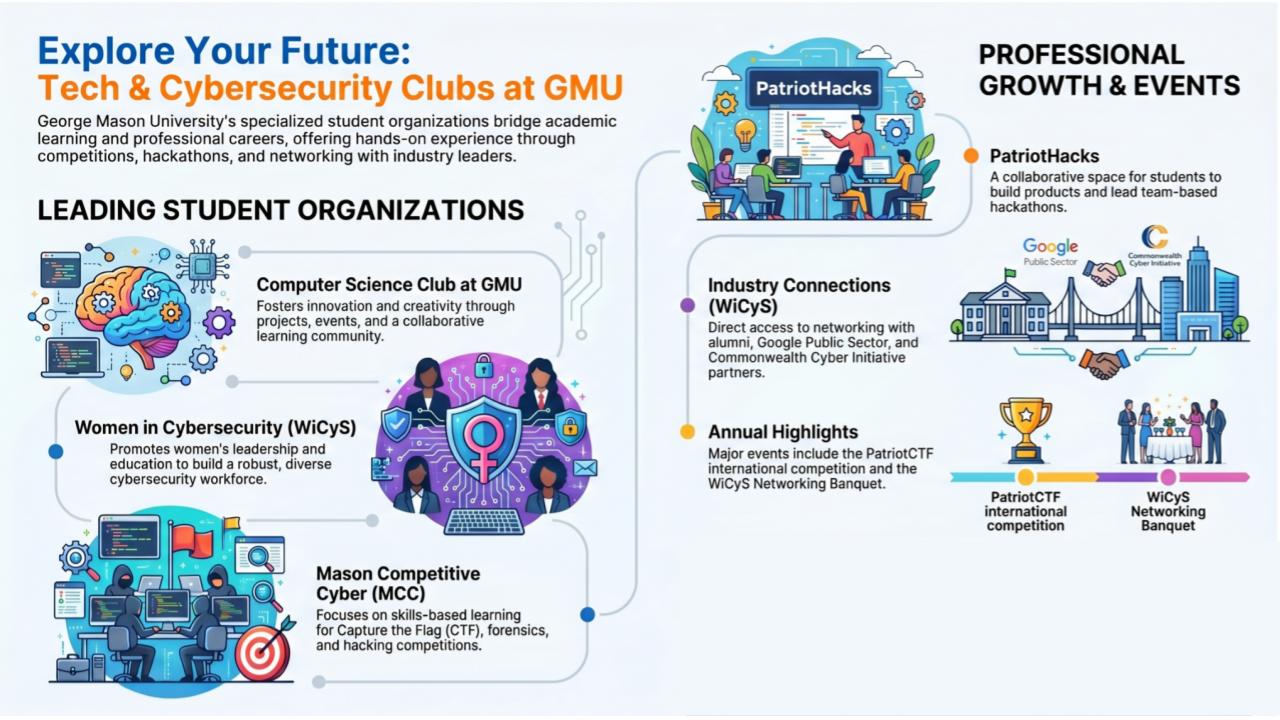
GMU Cyber Clubs

George Mason University offers a variety of student organizations focused on advancing technical expertise and professional growth within the cybersecurity and computing sectors.

  • Groups like Mason Competitive Cyber and the Computer Science Club provide hands-on learning, hackathons, and competitive environments for students to sharpen their coding and defense skills.
  • The university specifically champions diversity and inclusion through the Women in Cybersecurity chapter, which focuses on recruiting and mentoring women to build a more balanced workforce.

These clubs foster collaborative communities where members can network with industry professionals, participate in specialized workshops, and gain real-world experience. Ultimately, these extracurricular resources serve as a vital bridge between academic study and successful technology careers for students of all backgrounds.

Skip to toolbar