CEC – College of Engineering and Computing

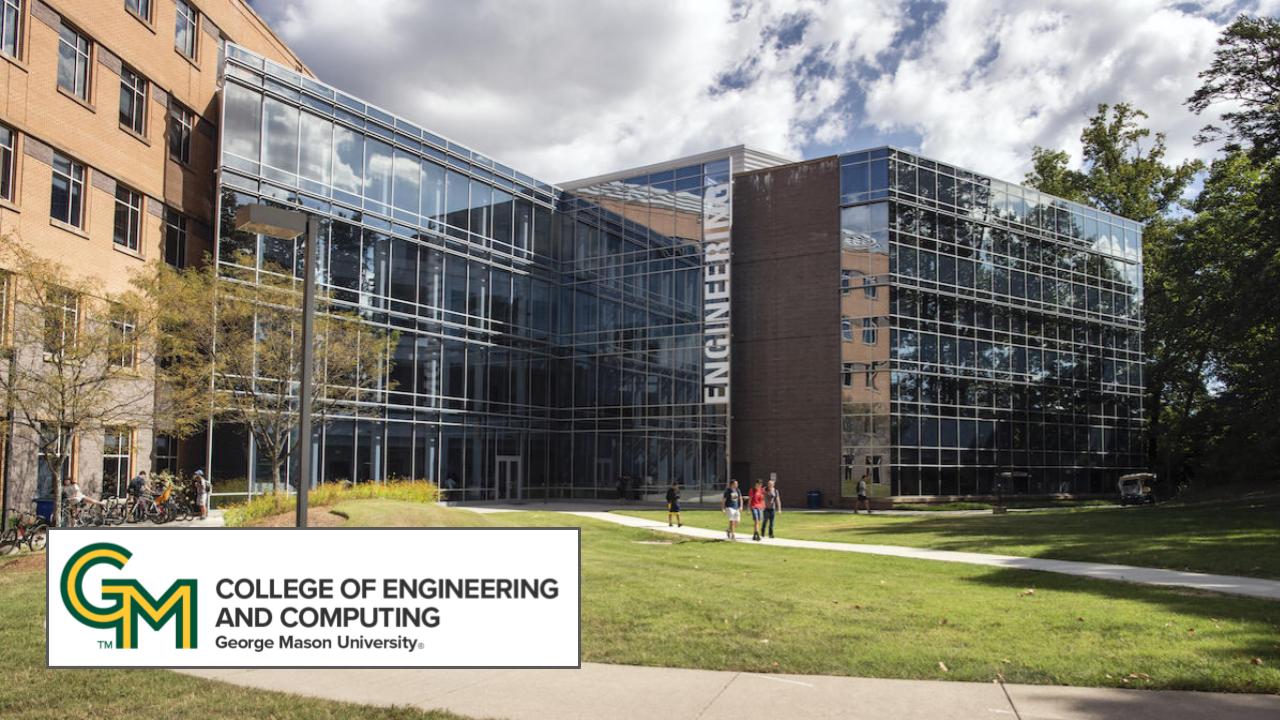
In 1985 visionary leaders pulled together to found what became George Mason University College of Engineering and Computing. Today, this large, multidisciplinary college maintains pre-eminence in computing, information technology, and engineering.

Through teaching, research, and practice, the college produces students with grit and determination who will innovate, create, step up, and leave the planet better than they found it.

The mission of the College of Engineering and Computing is to provide a transformative learning experience that yields visionary stewards of society who are prepared to discover solutions to complex global challenges and make the world safer, cleaner, and more prosperous.

Our faculty are engaged educators who lead high-impact research in the areas of sustainability, big data, cybersecurity, robotics and artificial intelligence, statistics, and healthcare. These existing and emerging areas of expertise span departmental and disciplinary boundaries and capture the depth and breadth of our faculty and student’s scholarly activity.

Source: GMU Website
Ken Ball

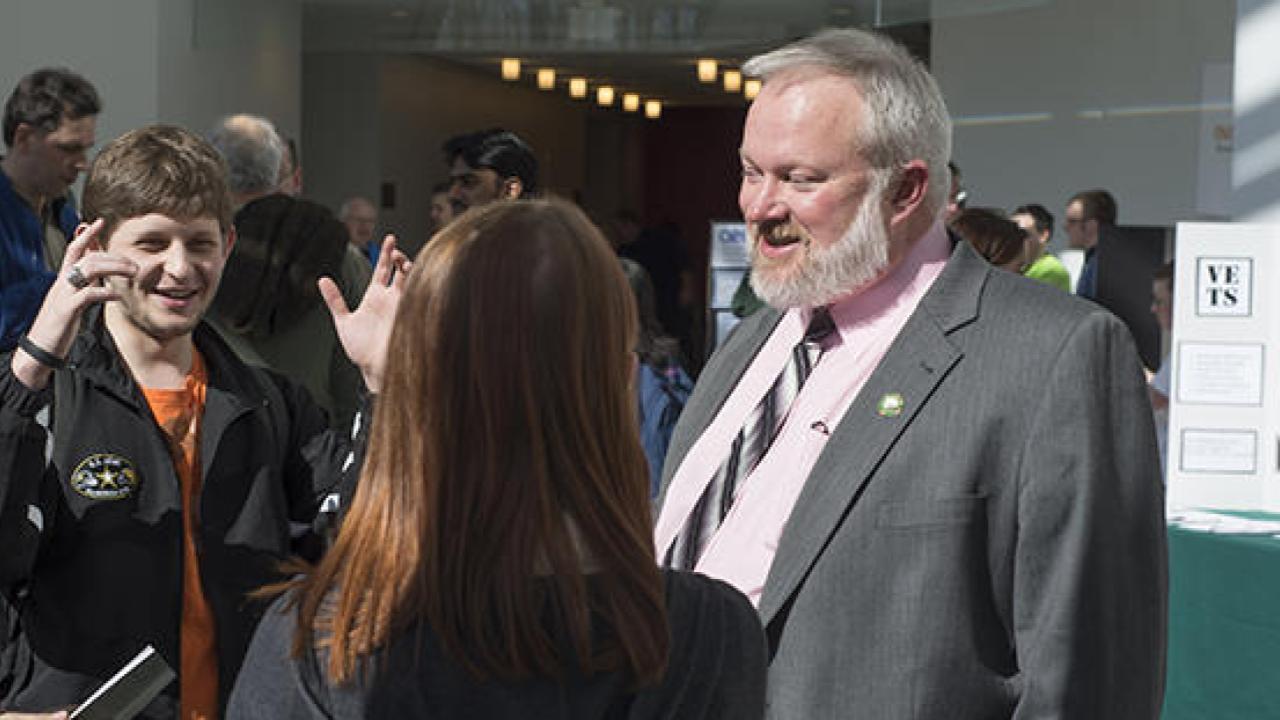
Kenneth S. Ball, PhD, PE is Dean of the College of Engineering and Computing at George Mason University in Fairfax, Virginia. Since arriving at Mason in 2012, Ball has led the college through extensive growth and rapid change increasing research awards and expenditures, expanding enrollment, and establishing several first-of-their-kind programs to attract future generations of engineering and computing professionals.

Under Ball’s leadership, the college’s ranking and reputation have improved. In the most recent U.S. News and World Report rankings of our nation’s Best Graduate Schools, the college placed in the top 100 among public universities. Ball helped the college keep pace with its strong growth in student enrollment, advocating for more faculty and staff. He led a proactive response to the needs of our students, placing a high priority on ensuring the college has the faculty to maintain student-faculty ratios to allow vigorous levels of student-faculty interaction and mentoring, to limit the number of large-enrollment classes, and to be able to offer all of the courses that students need to graduate, including elective courses. These efforts keep diversity and inclusion at the forefront by expanding access and inclusion.

Source: webpage

Liza Wilson Durant

Liza Wilson Durant serves as the associate provost for strategic initiatives and community engagement at George Mason University and professor and associate dean for strategic initiatives and community engagement in the College of Engineering and Computing.

She works to build meaningful partnerships across the university with external corporate, government, academic, non-profit, and global entities to support the mission of Mason’s strategic objectives.

Prior to her appointment as associate provost, she served as chair of the Sid and Reva Dewberry Department of Civil, Environmental, and Infrastructure Engineering, where she has been a faculty member since 2010.

She received her BS and MS degrees from Cornell University and Stanford University respectively, and her Ph.D. in environmental engineering from the Johns Hopkins University.

KEEN and College of Engineering and Computing

Why We’re In KEEN
We already embrace much of the KEEN Framework in our values and approach to engineering education. As a faculty, CEC has brought its own entrepreneurial mindset to our programs and initiatives. Discovery, inquiry, and synthesis are core values of the Mason student experience.

There are many examples of highly innovative programs we have created, such as:

  • We created the first-ever BS in Cyber Security Engineering, and ABET modeled its program criteria after our curriculum.
  • We pioneered a very creative dual-admission/transfer program for community college students, and approximately half of our 11,000 students follow that pathway to Mason.

Entrepreneurial Mindset for Engineers

Entrepreneurial Mindset. The key to success for undergraduate engineering students.

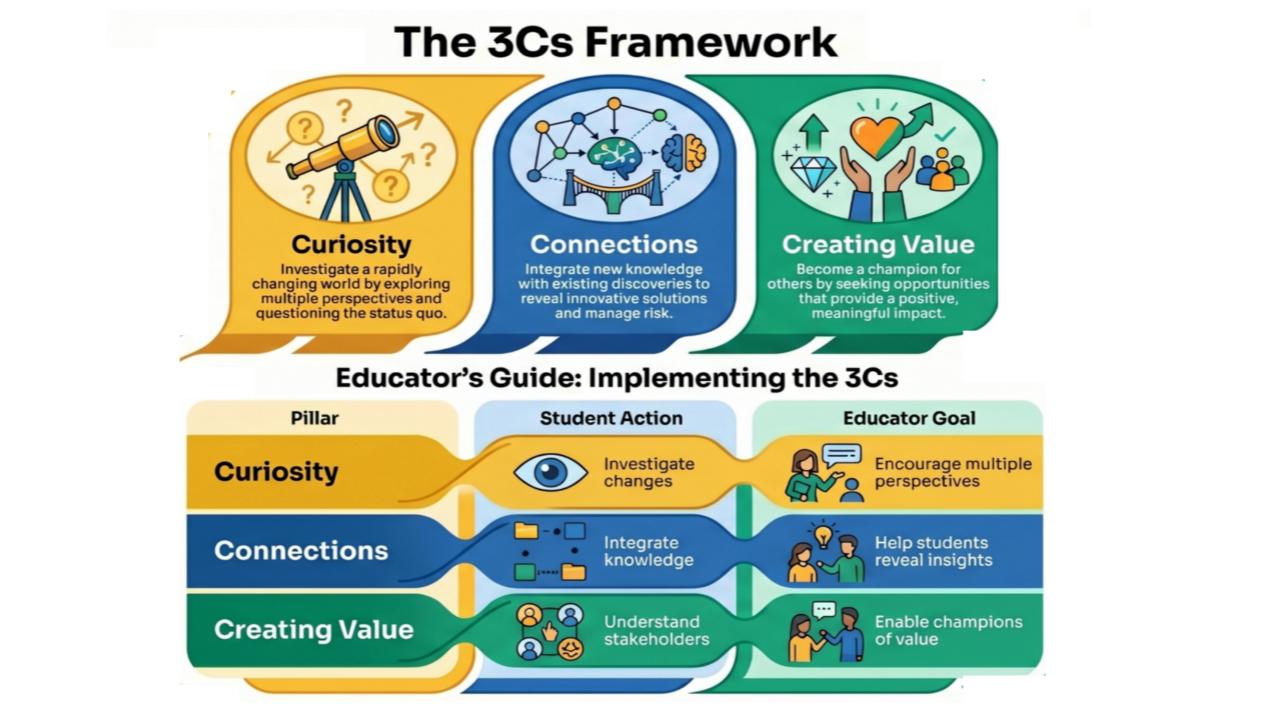
Engineers can no longer depend on just their technical skill set to be successful. They also need an entrepreneurial mindset. An entrepreneurial mindset (EM) encompasses attitudes, habits, and behaviors that shape a unique approach to problem-solving, innovation, and value creation.

The 3Cs of Entrepreneurial Mindset: Curiosity, Connections, and Creating Value.
A thorough understanding of the 3Cs helps engineering students question, adapt, and make positive change in classes, campus, communities, and the world.

The Kern Family Foundation has catalyzed EM through KEEN: Kern Entrepreneurial Engineering Network.

All content in this post has been distilled from the Engineering Unleashed website.

Source: Engineering Unleashed

OnAir Post: Entrepreneurial Mindset for Engineers

Skip to toolbar